Beaches Love Me SVG Review
When I sit down to evaluate a new digital asset for my embroidery studio, I am rarely looking for just another pretty picture. I am looking for viability. As an experienced designer who frequently bridges the gap between digital graphics and physical stitch work, my primary concern is always: will this translate well when pushed through a needle? This is where many creators stumble, assuming that because a file looks crisp on a screen, it will perform flawlessly in a hoop. Today, I am putting Beaches Love Me SVG Beach SVG Cut File under the microscope to see if it holds up against the rigorous demands of real-world production.
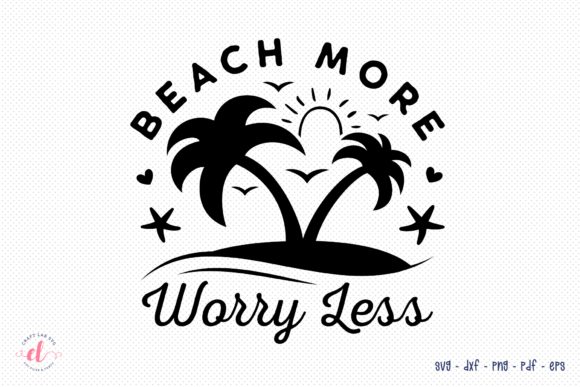
The product category sits firmly within Crafts and Graphics, targeting a wide audience of makers, from hobbyists to serious Etsy sellers. The premise is simple: a beach-themed design with a creative quote theme intended for various purposes. But "simple" designs are often the most deceptive. They lack the complex shading or intricate detail that might hide poor digitizing choices. Instead, they rely on clean lines, readable typography, and strong visual balance. Let’s dive into how this specific design performs in practice.
First Impressions and Visual Personality
The moment you open the file, the mood is immediately established. It evokes a sense of relaxed summer energy, salt air, and coastal leisure. For a designer, understanding the emotional resonance of a design is crucial because it dictates the target market. This isn’t a rugged outdoor patch; it is soft, approachable, and highly commercial for lifestyle brands.
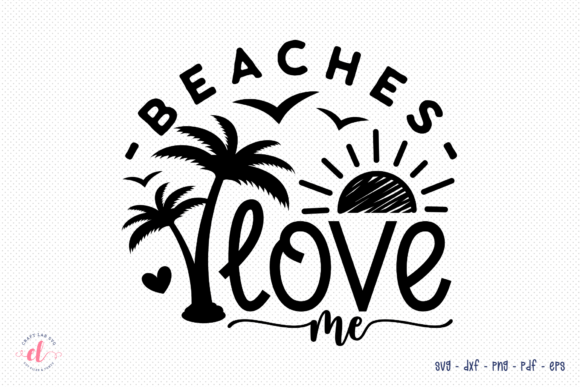
Visually, the layout appears balanced. The text "Beaches Love Me" serves as the anchor, likely utilizing a font style that complements the wave or beach imagery. In my experience, text-heavy embroidery designs often suffer from legibility issues, especially when the stitch density varies across different letterforms. Here, the challenge lies in ensuring that the curve of the text mimics the natural flow of waves without becoming distorted during the stitching process. The design feels lightweight, which is a good sign for machine stability, but it requires careful planning regarding thread selection to maintain its airy aesthetic.
Real-World Application: The Tote Bag Scenario
To truly test this design, I imagine a specific use case: creating a custom embroidered tote bag for a boutique gift shop. This is a staple item for craft fairs and online stores. The canvas fabric of a tote provides a stable, woven surface that is generally forgiving for embroidery. However, the texture of heavy cotton or jute can eat away at fine details.
If I were to place the Beaches Love Me SVG Beach SVG Cut File on the front panel of a canvas tote, I would need to consider placement carefully. A centered chest area works best for brand visibility. The design’s theme aligns perfectly with beach vacations, summer festivals, and coastal living—topics that resonate deeply with customers buying gifts or personal items. The resulting handmade product would feel cohesive and professional, elevating a basic accessory into a statement piece. Customers are more likely to trust a brand that presents consistent, high-quality visuals, and a clean, well-executed embroidery job signals that attention to detail.
Performance Across Different Fabrics and Products
While the tote bag is a strong candidate, this design has versatility. It translates beautifully to sweatshirt embroidery, particularly on crewnecks in navy, grey, or white. The contrast between the thread and the fleece creates a cozy, inviting look suitable for holiday gifts or birthday presents. Similarly, for baby embroidery, such as on muslin swaddles or onesies, the gentle theme fits the nursery decor aesthetic. Soft pastel threads would enhance the delicate nature of the design, making it a perfect personalized gift for new parents.
However, not every application is equally successful. When considering custom apparel like t-shirts, the fabric’s stretchiness becomes a factor. If the design includes large areas of fill stitch, the fabric may pucker if the underlay stitches are not properly configured. For embroidered patches intended for iron-on application, the design must be robust enough to withstand the cutting of the backing material without losing critical elements. Small decorative accents or tiny lettering could be lost in the trimming process, so simplifying the outer edges might be necessary for patch production.
Where to Exercise Caution
There are specific scenarios where this design requires careful handling. Using it on dark fabric demands high-contrast thread colors; otherwise, the design will disappear into the background. On textured fabrics, such as chenille or heavy wool, fine details may get swallowed by the pile. Additionally, applying this to curved surfaces like caps can distort the text if the hoop does not accommodate the curvature properly. For products that require frequent washing, such as kitchen towels or aprons, the durability of the stitch pattern is key. If the design relies heavily on running stitch for outlines without sufficient satin coverage, loose threads may snag during laundering.
Technical Considerations for the Embroidery Designer
Before committing to a full production run, there are several technical checks any professional should perform. First, always test the design on scrap fabric that matches the final product in weight and texture. This reveals potential puckering or tension issues early. Second, review the stitch density. While the design appears lightweight, ensure that the satin stitch borders around any text or shapes are dense enough to cover the base fabric completely, preventing show-through.
Thread color selection is equally important. I recommend testing the design in black and white mockups to check for value contrast. Does the lightest thread stand out against the darkest part of the design? Furthermore, inspect small details closely. Are the curves smooth, or do they appear jagged due to low resolution in the original vector? Confirming the hoop size compatibility ensures that the design fits within your machine’s maximum reach without requiring re-hooping, which can misalign the artwork.
Finally, consider the stabilizer choice. A tear-away stabilizer is typically suitable for woven fabrics like cotton, while a cut-away stabilizer is essential for knits and stretchy materials to prevent distortion over time. Checking whether the design works for both personal and commercial projects is vital for Etsy sellers and small business owners. Ensure you have the correct licensing rights before selling finished items or using the design in commercial embroidery projects.
Final Verdict
The Beaches Love Me SVG Beach SVG Cut File is a solid addition to any designer’s library, particularly those focusing on lifestyle, seasonal, and gift-oriented markets. Its strength lies in its broad appeal and clear thematic message. It is not overly complex, which makes it accessible for beginners yet effective for seasoned professionals looking for quick, reliable designs. By paying attention to fabric choice, thread contrast, and proper stabilization, this design can yield high-quality results that boost customer trust and engagement. Whether used for a tote bag design, a pillow cover, or a kitchen towel, it brings a touch of coastal charm that resonates with buyers. Just remember to verify specific file formats and license terms provided by the creator to ensure smooth operation on your specific equipment and compliance with your business needs.