Budha Design Embroidery Review
As a designer who spends more time than I care to admit staring at stitch patterns and testing thread tension, I approach every new embroidery file with a mix of curiosity and skepticism. The market is flooded with generic quotes and overused imagery, so finding something that strikes the right balance between humor, spirituality, and commercial viability is rare. That is why I decided to put Budha Design through its paces. This piece falls squarely into the Illustrations and Graphics categories, but in the world of machine embroidery, visual appeal means nothing if it doesn't stitch out cleanly. My goal here is to evaluate whether this design works for real-world applications—from custom apparel to boutique merchandise—rather than just looking good on a digital screen.
First Impressions: Mood and Visual Personality
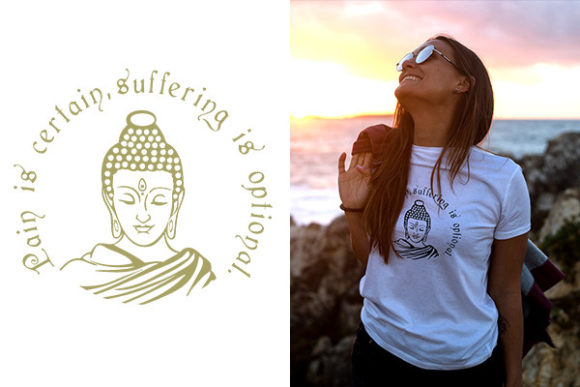
The core concept behind Budha Design is immediate and relatable. It features the quote "PAIN IS CERTAIN, SUFFERING IS OPTIONAL," which taps into a popular mindfulness trend while keeping a touch of irreverent humor. When I first loaded the file into my digitizing software, the layout felt balanced. The text is the star here, but the accompanying illustration adds enough character to prevent it from feeling like a plain text export. For an embroidery project, the mood is casual yet thoughtful. It isn’t trying to be high art; it’s trying to be a conversation starter. This makes it perfect for everyday wear. The visual personality suggests a brand that is approachable, slightly cheeky, and deeply human. If you are looking for something solemn or strictly traditional, this might not fit. But if you want a handmade product that feels modern and witty, this design hits the mark.
Real-World Application: Where Does It Shine?
I believe the strongest use case for this design is in custom apparel. Specifically, I envision this working beautifully on a heavyweight cotton sweatshirt or a structured tote bag. The quote is long enough to require careful placement, which gives the designer room to play with typography and spacing. On a sweatshirt, placed centrally on the chest or as a back print, it creates a statement piece that customers will actually wear. The contrast between the spiritual message and the funny tone resonates well with the millennial and Gen Z demographics that dominate platforms like Etsy.
Beyond apparel, this design has potential in the realm of personalized gifts. Imagine stitching this onto a kitchen towel or a linen apron for someone who loves yoga or meditation but also appreciates a laugh. It transforms a mundane household item into a unique keepsake. For an Etsy seller or a small shop product owner, this versatility is gold. You can create a cohesive collection: a matching set of a tote bag and a baby onesie, or a holiday gift bundle featuring a cap and a tea towel. The design’s clean lines and clear message ensure it remains legible even when scaled down for smaller items like embroidered patches or hat fronts.
Specific Use Cases
- Tote Bag Design: The sturdy fabric of canvas bags provides an excellent base for this kind of detailed text work, ensuring the stitches hold their shape without puckering.
- Sweatshirt Embroidery: The thickness of the fabric supports the density required for clear lettering, making the quote pop against the material.
- Baby Embroidery: While the quote is adult-oriented, a softer color palette could make this suitable for nursery decor or milestone blankets, offering a humorous nod to parenting struggles.
- Holiday Embroidery: As a gift item, it appeals to those who prefer meaningful yet lighthearted presents over traditional seasonal motifs.
Technical Considerations and Stitch Quality
From a technical standpoint, the success of Budha Design relies heavily on execution. Text-based designs are notoriously tricky because small details can get lost if the stitch density is too high or too low. In this design, the clarity of the quote is paramount. If the satin stitch around the letters is too narrow, the edges may fray or look jagged after washing. Conversely, if the fill stitch areas are too dense, the fabric may become stiff and uncomfortable, especially on garments like t-shirts.
When evaluating the machine embroidery design, I noticed that the integration of the illustration with the text requires a smooth transition. Poorly executed transitions can lead to thread breaks or visible jumps across the fabric. It is crucial to check the running stitch paths to ensure they are minimized and hidden within other elements. For the best results, the design should utilize a variety of thread colors to differentiate the quote from the illustration, adding depth and visual interest. A monochromatic scheme might look clean, but strategic color usage can elevate the finished product from simple to professional.
Where to Be Careful: Limitations and Risks
No design is perfect, and Budha Design has specific constraints that designers must respect. First, avoid placing this on highly textured fabrics like bouclé or heavy wool. The irregular surface will distort the fine details of the text, making the quote difficult to read. Similarly, stretchy fabrics like thin jersey knits require extra caution. Without proper stabilization, the hoop marks may remain visible, and the tension issues could cause the design to pucker significantly.
Another area of concern is small hoop sizes. If you attempt to digitize or embroider this on a very small area, such as a child’s sock or a tiny patch, the text may become illegible. The quote needs space to breathe. Furthermore, dark fabrics can pose a challenge if the thread colors chosen do not provide sufficient contrast. Always test your thread colors against the actual fabric swatch before committing to a full run. Finally, be mindful of curved surfaces like caps. While possible, maintaining consistent tension on a curved brim can be difficult for less experienced operators, potentially leading to misalignment.
Practical Advice for Designers and Sellers
If you are planning to use Budha Design for commercial purposes, there are several steps you should take to ensure quality and compliance. First and foremost, always test the design on scrap fabric that matches the final product in weight and texture. This allows you to adjust the stabilizer type and tension settings before producing sellable items. Check the hoop size compatibility to ensure your machine can handle the dimensions without requiring multiple hooping attempts, which can lead to registration errors.
Inspect the design closely for any tiny details that might not survive the washing process. Dense stitch areas should be evaluated for potential thread breakage. It is also wise to view the design in black and white mockups to assess the contrast and hierarchy of elements. For digital product sellers or those creating printable mockups, ensure that the graphics provided are high-resolution and accurately represent the stitched outcome. Remember to verify the licensing terms before selling finished items. While the design is marketed for Print On Demand, confirming whether you have the right to sell physical embroidered goods is essential to avoid legal issues.
Final Verdict
Budha Design is a solid addition to any craft business inventory. It offers a blend of humor and wisdom that appeals to a broad audience, making it a versatile choice for various embroidery projects. Its strength lies in its relatability and clear messaging, which translates well to products like tote bags, sweatshirts, and personalized gifts. However, success depends on proper execution. By paying attention to fabric choice, stitch density, and color contrast, you can create a professional and appealing finished product that customers will love. For designers looking to add a touch of wit to their collections, this design is worth the investment of time and testing.