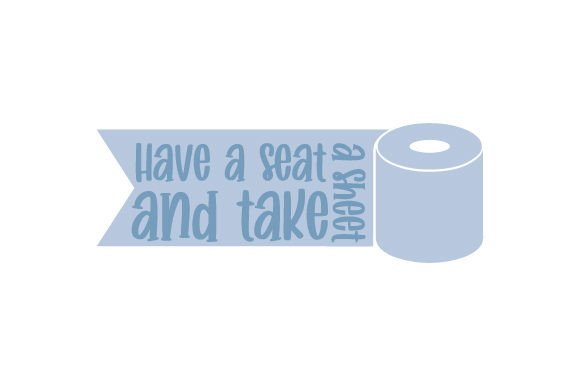
I Hate My Work - Funny Toilet Paper Quote
As a designer who spends more time staring at stitch density charts and hooping fabric than actually sleeping, I have developed a certain skepticism toward novelty designs. The market is saturated with "relatable" humor, and too often, these files are lazy imports that look muddy once they hit the hoop. However, when I pulled up the I Hate My Work - Funny Toilet Paper Quote design to evaluate it for potential use in my own small batch production line, I found myself pausing. It isn’t just another generic text overlay; it taps into a very specific, visceral emotion that resonates deeply with adults today. But does it translate well from screen to thread? That is the real question.
The First Impression: Mood and Visual Personality
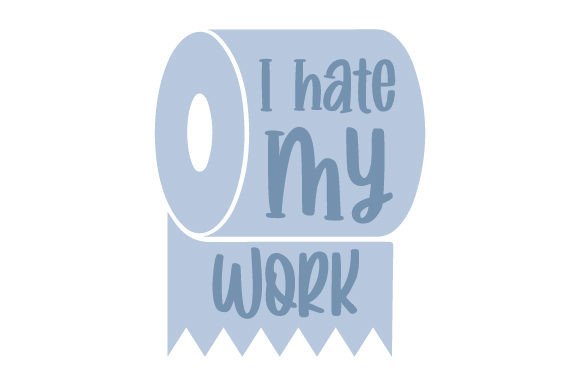
The immediate appeal of this design lies in its unapologetic honesty. We live in an era where workplace burnout is a common conversation starter, and turning that frustration into a tangible, wearable item can be surprisingly therapeutic. Visually, the concept relies on the universal symbol of relief—the toilet paper roll—paired with blunt typography. For an embroidery file, this combination is smart because it allows for distinct visual hierarchy. The shape of the roll provides a clear focal point, while the quote anchors the piece with attitude.
From a layout perspective, the design feels balanced. It doesn’t scream for attention with chaotic elements but rather whispers a shared secret. This subtlety is crucial for high-end handmade products. When you are creating items for boutique clients or Etsy shoppers, you want them to feel like they are wearing something witty, not something tacky. This design walks that fine line effectively. It has a clean, modern aesthetic that suggests it was built with digital precision before being converted into machine-readable code.
Real-World Application: Where Does It Shine?
In my experience, the success of an embroidery project often depends on the substrate. This design is versatile enough to work across several categories, but some applications will yield better results than others. Let’s look at how this machine embroidery design performs in real-life scenarios.
Custom Apparel and Sweatshirts: This is perhaps the strongest use case. A heavyweight cotton sweatshirt provides the stability needed for dense stitching. Placing this design on the back of a crewneck or centered on the chest of a hoodie creates a statement piece. The contrast between the soft fabric and the structured embroidery adds value. Customers buying sweatshirt embroidery are looking for comfort and durability, and this design delivers both style and substance.
Tote Bags and Canvas Items: For the Etsy seller or craft business owner, tote bags are a staple. This design works beautifully on natural canvas totes. The white of the toilet paper roll can pop against the beige background if you choose the right thread colors, or it can be rendered in black for a monochromatic, sophisticated look. It turns a simple utility item into a handmade product with personality.
Kitchen Towels and Aprons: While categorized under Crafts, the bathroom theme might seem odd for kitchen items, but the humor translates. A kitchen towel featuring this quote adds a touch of levity to morning routines. It serves as a great personalized gift for someone who loves cooking but hates the cleanup. The design’s simplicity ensures it won’t get lost in the visual noise of a busy kitchen.
Technical Considerations and Stitch Clarity
When evaluating any digital embroidery file, I always think about the stitch execution. The I Hate My Work - Funny Toilet Paper Quote design likely utilizes a mix of fill stitches for the main shapes and satin stitches for outlines or text borders. Here is what to watch out for during digitizing and testing.
Stitch Density: If the fill stitch is too dense, the fabric will pucker, especially on lighter materials. You need to ensure the underlay stitches are sufficient to stabilize the area without creating a stiff, cardboard-like feel. For a finished product to feel premium, the hand-feel of the embroidery must remain soft.
Thread Color Contrast: The choice of thread is critical. Since the design features white (the TP roll) and likely dark text, contrast is key. On light fabrics, using a bright white thread is standard, but on darker fabrics, you might need a heavy backing or a different color strategy to make the roll visible. Always test your thread colors on scrap fabric first. Don’t assume the digital preview matches the physical reality.
Small Details: Check the lettering closely. In many novelty designs, the smaller letters in the quote can become illegible if the hoop size is too small or if the stitch resolution is low. Ensure that every character is distinct and readable from a distance. If the text becomes a blur, the joke is lost, and the product returns to the clearance bin.
Where to Use Caution
Not every surface is created equal. There are specific situations where this design might struggle:
- Stretchy Fabrics: Avoid placing this on thin, stretchy t-shirts or leggings without proper stabilizer. The tension of the threads can distort the knit fabric, causing the design to warp after washing.
- Curved Surfaces: Embroidering this directly onto a baseball cap can be tricky. The curvature might cause the text to appear slanted or stretched unless you use a specialized cap frame and adjust the angle in your software.
- Textured Fabrics: Rough textures like burlap or thick chenille can obscure the finer details of the design. Stick to smooth weaves like cotton, polyester blends, or denim for the clearest result.
- Small Hoops: Do not attempt to shrink this design down to a tiny patch size. The humor relies on the readability of the quote and the recognition of the object. Compressing it too much will ruin the composition.
Commercial Viability and Brand Consistency
For those of us selling design assets or finished goods, consistency is everything. This design fits well within a brand that embraces humor, relatability, and modern lifestyle themes. It appeals to a broad demographic, from college students to working professionals. It makes for an excellent holiday embroidery gift, a stocking stuffer, or a "just because" present for a friend going through a tough week.
However, always confirm your licensing terms. Even though you receive formats like SVG, PNG, EPS, and DXF, the commercial rights to the underlying artwork may vary. As a responsible small shop product creator, you must ensure you are allowed to sell physical items made from this embroidery file. Clear licensing protects your reputation and keeps your business safe from legal issues.
Final Verdict
The I Hate My Work - Funny Toilet Paper Quote is a solid addition to any embroiderer’s library. It is not overly complex, which makes it efficient to produce, yet it carries enough emotional weight to drive sales. It works best on stable fabrics like sweatshirts, tote bags, and aprons. By paying attention to stitch density, thread contrast, and proper stabilization, you can create a custom apparel item that customers will love—and perhaps laugh at every time they wear it.
If you are looking to add a touch of wit to your craft business inventory, this design is worth testing. Just remember: always run a test stitch-out before committing to a full production run. Your customers expect quality, and a well-executed embroidered patch or garment is the best way to build trust and repeat business.