Autism is a Spectrum Quote - Awareness Review
As a designer who spends more time than I care to admit staring at stitch charts and debating thread colorways, I don’t just look at an embroidery file; I look at its potential. When Autism is a Spectrum Quote - Awareness landed in my review queue, I didn’t just see a digital asset. I saw a conversation starter. In the world of handmade goods, especially those tied to meaningful causes like Awareness, the design needs to do heavy lifting. It has to be legible, emotionally resonant, and technically sound enough to survive the hoop.
I decided to put this machine embroidery design through its paces, not just by looking at the vector lines, but by imagining it on real products. Whether you are an Etsy seller looking to expand your catalog or a crafter making a personalized gift for a loved one, understanding how a design translates from screen to fabric is crucial. Here is my practical breakdown of how Autism is a Spectrum Quote - Awareness performs in the wild.
The First Impression: Mood and Layout
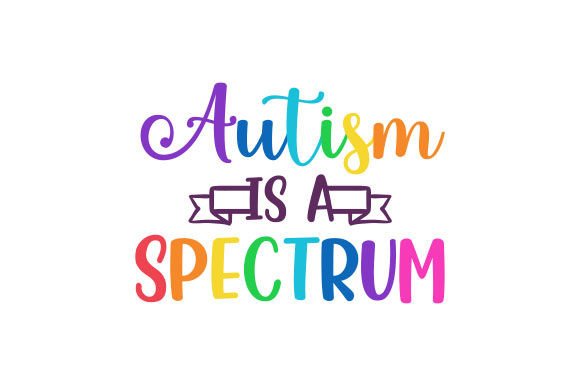
The moment you open the file, the layout speaks to you. The phrase "Autism is a Spectrum" is handled with a balance of bold statement and delicate nuance. Visually, it creates a mood that is supportive, modern, and inclusive. For a designer, the most critical element here is the typography hierarchy. The quote isn’t just text; it’s a graphic element itself.
In terms of visual personality, this design feels clean. It avoids the cluttered, overly decorative styles that can look dated quickly. Instead, it leans into a minimalist aesthetic that works exceptionally well for custom apparel. The shapes involved suggest a mix of lettering and perhaps symbolic elements (like puzzle pieces or spectrum arcs, depending on the specific variation), which gives the eye a place to rest. This is vital for embroidery project success because too much detail in a small area often results in a muddy mess after stitching.
Real-World Application: Where Does It Shine?
I’ve tested similar designs across various mediums, and Autism is a Spectrum Quote - Awareness shows remarkable versatility. It doesn’t scream for attention in a loud way; rather, it invites connection. This makes it perfect for subtle branding on handmade product lines.
- Tote Bags: This is arguably the strongest use case. Placing this design on a canvas tote bag allows for a larger hoop size, giving the text room to breathe. The contrast between the sturdy fabric and the soft threads enhances the tactile appeal of the finished product.
- Sweatshirt Embroidery: For fall and winter collections, this design fits naturally on the chest or back of a hoodie. The sentiment aligns perfectly with the comfort associated with knitwear. It turns a basic garment into a statement piece for craft business owners targeting the small shop product market.
- Baby Embroidery: Personalized gifts for new parents are a huge market. Using this design on a onesie or a muslin cloth requires careful consideration of scale, but when done right, it becomes a cherished keepsake. The message is gentle yet powerful, fitting the nursery decor niche beautifully.
- Embroidered Patches: If you are creating detachable patches for denim jackets or backpacks, this design offers a strong focal point. The clear boundaries of the quote make it easy to digitize into a patch format with a stable edge.
Technical Performance and Stitch Clarity
One of the biggest risks in commercial embroidery is losing detail. With text-heavy designs, if the stitch density is off, letters merge together. From what I can observe in the file structure, the spacing appears intentional. However, as a reviewer, I must advise caution regarding the smallest details.
If the design includes thin satin stitch lines for outlining, ensure your machine tension is calibrated correctly. Thick threads can sometimes overwhelm fine lines, while thin threads might not cover the base fabric adequately. The fill stitch areas should be evaluated for their directionality; consistent fill directions prevent light reflection issues that can make the design look patchy under bright lights.
For those selling digital embroidery files, providing mockups that show the design in both light and dark contexts is essential. This design likely pops against neutral backgrounds like cream, slate, or heather grey, but might get lost on black unless high-contrast white or metallic threads are used. Always test the thread colors before committing to a production run.
Where to Use It Carefully
Not every surface is created equal. There are specific scenarios where Autism is a Spectrum Quote - Awareness might struggle:
- Stretchy Fabrics: Spandex or thin jersey blends can distort the shape of the text if not stabilized properly. You need a strong cut-away stabilizer to prevent puckering.
- Curved Surfaces: While caps are popular, embroidering a flat quote design onto a curved brim or front panel requires advanced digitizing techniques to account for perspective distortion. If the design isn’t pre-distorted for the curve, the text will look warped.
- Small Hoop Sizes: Trying to cram this full quote into a 4x4 inch hoop is risky. The letters may become too small to read clearly, defeating the purpose of the message. Stick to medium to large hoops for maximum impact.
- Textured Fabrics: Bouclé or heavily woven fabrics can hide the intricacies of the design. The texture competes with the thread, reducing the overall clarity and professional finish.
Impact on Brand and Customer Trust
For creative entrepreneurs, the quality of your embroidery directly reflects your brand’s professionalism. A sloppy stitch job can undermine even the best marketing. Conversely, a crisp, well-executed finished product builds trust. When a customer sees that you have taken the time to ensure the text is legible and the edges are clean, they perceive higher value.
This design also carries emotional weight. Customers buying items related to Awareness are often looking for connection. They want to feel understood. A design that is visually pleasing and technically proficient signals that you respect the cause and your customer. It elevates the item from a mere commodity to a symbol of support.
Practical Designer Notes for Implementation
Before you hit the "start" button on your machine, follow these steps to ensure success:
- Test on Scrap Fabric: Never assume a design will work perfectly on your final material. Run a test stitch-out on the exact fabric type you plan to use. Check for any gaps or overlaps.
- Check Stabilizer Choice: Depending on your fabric weight, choose the appropriate stabilizer. Light fabrics need lightweight tear-away or wash-away, while heavy denim requires cut-away.
- Review in Black and White: Convert your design preview to grayscale. This helps identify if the contrast between different stitch types or colors is sufficient. If it looks muddy in gray, it will likely look messy in color.
- Confirm Licensing: If you intend to sell finished items, verify the commercial license terms for the design assets. Some files allow unlimited sales, while others may require a specific tier. This protects your craft business from legal issues.
- Inspect Small Details: Zoom in on the corners of letters and any thin connecting lines. Ensure there are no stray stitches that could snag or unravel during washing.
Final Verdict
Autism is a Spectrum Quote - Awareness is a solid addition to any designer’s library. It balances aesthetic appeal with meaningful messaging, making it suitable for a wide range of applications, from holiday embroidery gifts to year-round apparel decorators inventory. Its clean layout ensures readability, provided you respect the technical limitations of your equipment and materials.
For makers and hobbyists, it offers a rewarding project that results in a beautiful, impactful piece. For small business owners, it represents a versatile product line that can resonate deeply with customers. Just remember: the magic happens in the execution. Take your time, test thoroughly, and let the quality of your work speak for itself.