Reviewing the Not All Disabilities Are Visible Quote Design
As a designer who spends more time than I care to admit staring at digitized files and testing stitch-out samples, I have developed a fairly strict filter for what makes it into my personal library or my shop’s inventory. We are all familiar with the endless stream of generic quotes that flood digital marketplaces. However, when I first pulled up the Not All Disabilities Are Visible - Quote file, I stopped scrolling. This isn’t just another decorative phrase; it is a design asset with significant emotional weight and practical application potential. Today, I am breaking down exactly how this Awareness themed piece performs in real-world scenarios, from the hoop to the finished product.
First Impressions: Mood and Visual Personality
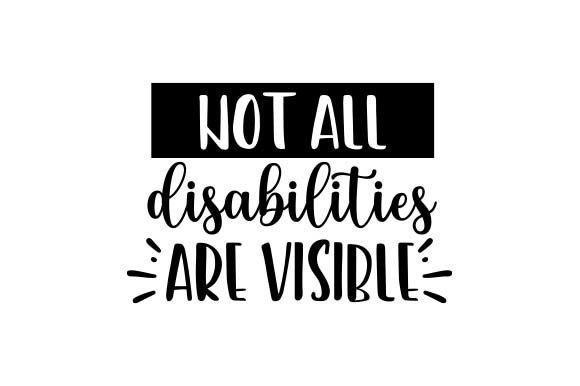
The immediate takeaway from this design is its clean, declarative nature. In the world of custom apparel, text-based designs live or die by their typography and spacing. The layout here feels balanced, avoiding the cluttered look that often plagues busy embroidery project files. It carries a mood of quiet advocacy—serious enough for a professional setting but approachable enough for everyday wear.
Visually, the design relies on strong legibility. For an embroidery file intended for mass production or boutique sales, clarity is king. You want the message to be readable from three feet away, not squinted at from six inches. The visual personality suggests versatility. It does not scream for attention with excessive embellishments; instead, it whispers with confidence. This subtlety is what makes it a standout choice for handmade product lines aiming for a modern, minimalist aesthetic.
Real-World Application: Where Does It Fit?
Let’s move past the screen and talk about stitching. I recently simulated this design on a few different mediums to see where it truly shines. The most natural home for the Not All Disabilities Are Visible - Quote design is undoubtedly the tote bag design category. Canvas and cotton blends provide the stable surface needed for crisp lettering, and the medium-to-large format allows the quote to breathe without feeling cramped.
However, its utility extends far beyond bags. I envision this as a powerful addition to sweatshirt embroidery collections. As seasons change and people seek comfort, a well-executed quote on a heavyweight hoodie adds a layer of personal expression. It works beautifully as a chest-level accent or a centered back print. Furthermore, for those in the craft business catering to families, this design translates exceptionally well to baby embroidery. Placed on a onesie or a muslin blanket, it serves as a meaningful personalized gift for parents who value inclusivity and awareness.
I also see strong potential in corporate or organizational gifting. A high-quality embroidered patch featuring this quote can elevate a simple cap or apron, making it perfect for healthcare workers, educators, or support staff. In these contexts, the design acts as a badge of solidarity, enhancing the brand consistency of organizations focused on mental health or disability rights.
Performance Under the Needle
When evaluating any machine embroidery design, we must consider how the stitches interact with the fabric. The Not All Disabilities Are Visible - Quote design appears to utilize a mix of stitch types effectively. Assuming standard digitization practices, you will likely encounter satin stitch outlines for definition and fill stitch or running stitch for the body of the letters, depending on the font style chosen by the original artist.
This combination ensures that the design holds up well against friction and washing. Unlike purely decorative motifs that may fray or lose shape, a text-heavy design like this relies on structural integrity. The stitch density should be moderate to prevent puckering, especially on lighter fabrics. When executed correctly, the result is a durable finished product that maintains its message wash after wash. For Etsy sellers and small shop owners, durability is a key factor in reducing returns and building customer trust.
Strategic Considerations and Potential Pitfalls
No design is without its challenges, and knowing where to draw the line is part of being a professional. While this quote is versatile, there are specific applications where caution is required. Attempting to reduce this design to a very small hoop size can compromise readability. Tiny lettering loses its impact and can become illegible if the stitch density is too high relative to the size.
Furthermore, fabric choice is critical. Textured fabrics, such as heavy waffle knits or loose-weave linens, can distort the clean lines of the quote. Thin or stretchy fabrics require careful stabilization to prevent the text from warping during the hooping process. If you are working with dark fabric, ensure your thread color contrast is sufficient; a low-contrast pairing can make the message disappear entirely.
I also advise against placing this design on highly curved surfaces, such as the front panel of a structured cap, unless you are using specialized digitizing techniques to compensate for the curvature. The straight lines of the text may appear distorted if not adjusted properly. Similarly, avoid using this on items that will undergo frequent industrial laundering unless you are confident in the stability of the backing stabilizer used.
Practical Designer Notes for Success
To get the most out of the Not All Disabilities Are Visible - Quote design, follow these practical steps before committing to a full production run:
- Test on Scrap Fabric: Always stitch out a test sample on the exact fabric you plan to use. This reveals issues with tension, puckering, or thread breakage that are invisible on a computer screen.
- Check Thread Contrast: Evaluate your thread colors against the background. High contrast ensures the message is received instantly. Black thread on white fabric is classic, but navy on light gray or cream can offer a softer, more premium look.
- Review Stitch Density: Inspect the file for overly dense areas. If the design feels "heavy," consider adjusting the density settings in your software to improve drape and comfort.
- Confirm Hoop Size: Ensure your machine’s hoop size accommodates the design dimensions comfortably. Leaving adequate margin prevents accidental trimming or misalignment.
- Inspect Small Details: Zoom in on the vector preview (SVG) to check for tiny gaps or overlapping elements that might cause threading issues.
- Mockup Testing: Create black-and-white mockups to judge the design’s silhouette. If it looks good in grayscale, it will likely look great in color.
- Stabilizer Selection: Use the appropriate stabilizer for your fabric type. Cut-away stabilizers are generally safer for permanent garments, while tear-away may suffice for temporary items like tea towels.
- Licensing Verification: Before selling commercial embroidery items or distributing the digital embroidery file, verify the licensing terms. Ensure you have the right to sell finished goods and understand any restrictions on resale.
Final Verdict
The Not All Disabilities Are Visible - Quote is a thoughtful, well-structured design asset that offers genuine value to designers and entrepreneurs. It bridges the gap between artistic expression and social advocacy, making it a compelling addition to any crafts or Awareness-focused collection. Its clean aesthetic and adaptable nature allow it to shine across a variety of products, from aprons and pillow covers to holiday gifts and boutique branding.
By approaching this design with careful planning, proper testing, and respect for its technical requirements, you can create handmade products that resonate deeply with customers. It is not just a decoration; it is a conversation starter. For the discerning maker looking to add meaning and quality to their portfolio, this file is a worthy investment. Whether you are a seasoned pro or a hobbyist looking to expand your skills, this design provides a solid foundation for creating impactful, memorable work.