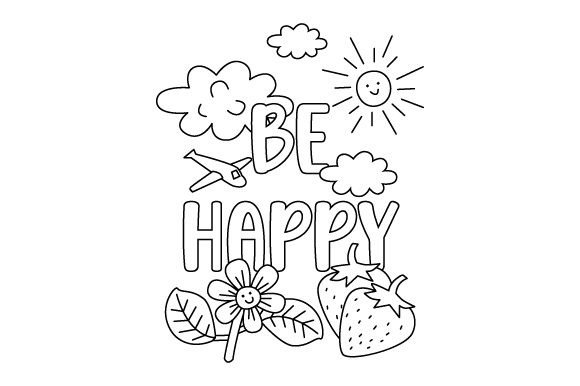
Be Happy Embroidery Design Review
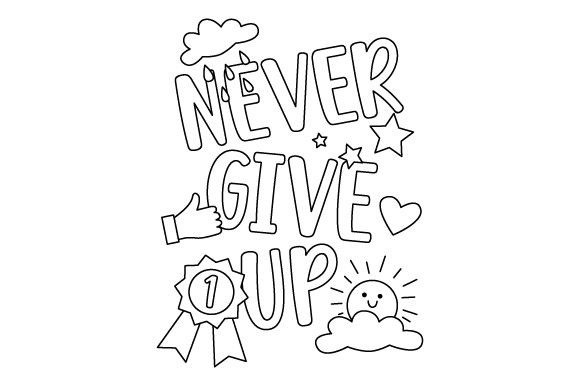
As a designer who spends more time than I care to admit staring at stitch density charts and testing fabric tension, I approach every new digital asset with a healthy dose of skepticism. We have all been burned by designs that look beautiful in the preview window but turn into a tangled mess on the hoop. That is why I decided to put Be Happy - Quote - Coloring Page through its paces before recommending it for any client project or personal craft business inventory. This isn't just about aesthetics; it is about functionality, marketability, and whether this file actually solves a problem for the end user.
The product description lists this as a coloring page design available in SVG, Transparent PNG, EPS, and DXF formats. While the "Coloring Pages Kids" category might suggest a simple line art piece intended for crayons, the inclusion of vector formats like SVG and EPS signals that this is meant for digital crafting workflows, including machine embroidery digitizing or vinyl cutting. My primary goal was to determine how this design translates from a flat graphic into a tangible, stitched reality suitable for a small business or a high-end personalized gift.
First Impressions and Visual Personality
The moment I opened the files, the mood of the design was clear. The phrase "Be Happy" carries an inherent warmth, and the layout appears designed to be inviting rather than aggressive. For a designer, the challenge with quote-based embroidery is always legibility versus decoration. If the text is too stylized, it becomes unreadable after stitching. If it is too plain, it lacks character.
This design strikes a balance that works well for the current handmade market trends. It feels nostalgic yet modern, fitting perfectly into the "cottagecore" or minimalist bohemian aesthetic that dominates platforms like Etsy and Instagram. The visual personality suggests a product that is meant to bring comfort. Whether used for a nursery item or a cozy home accessory, the design promises a soft, positive emotional response from the recipient. It does not scream for attention; instead, it invites the viewer to pause and smile, which is exactly what you want in a finished product that will live in someone’s daily life.
Real-World Application: The Tote Bag Scenario
To truly evaluate this design, I had to imagine it on a physical object. Let us consider a common but highly competitive niche: custom embroidered tote bags. These are staples for craft fairs and boutique shops. I visualized placing the "Be Happy" design on a heavy-duty canvas tote. Because the design includes vector formats, it offers flexibility in scaling. I could see this working beautifully centered on the front panel or perhaps placed slightly off-center for a more organic, handcrafted feel.
For a sweatshirt embroidery project, the dynamics change slightly. On a fleece or cotton blend hoodie, the design would need to be sized appropriately to ensure the text remains crisp. A large, bold placement on the chest area would make this an excellent gift item for teachers, nurses, or anyone needing a morale boost. The versatility of the source files means I can easily adjust the scale without losing quality, which is crucial when moving from a small baby onesie to a full-sized adult garment.
I also considered the potential for an embroidered patch. If the design has clean outer edges, it could be digitized with a dense satin stitch border to create a detachable badge. This adds value to the product, allowing customers to attach the "Be Happy" motif to denim jackets, backpacks, or beanies. This adaptability significantly increases the commercial appeal of the file, as one design can spawn multiple product lines.
Where Caution Is Required
However, no design is without its pitfalls. There are specific scenarios where Be Happy - Quote - Coloring Page requires careful handling. First, avoid using this on textured fabrics like bouclé wool or thick terry cloth unless you are an experienced embroiderer. The background texture can interfere with the stitch clarity, making the letters appear muddy or uneven.
Similarly, thin or stretchy fabrics pose a risk. Without proper stabilization, the tension of the stitches can pucker the fabric, distorting the shape of the quote. If you are planning to use this on a cap or hat, remember that curved surfaces require precise hooping techniques. A design that looks perfect on a flat mockup may distort if the underlying curve is not accounted for during digitizing.
Another critical consideration is stitch density. If the original design contains very fine details or tiny lettering, these areas are prone to thread breakage or loss of definition during the stitching process. It is essential to inspect the individual elements of the design. If the lines are too thin, they may need to be thickened in your digitizing software before converting to an embroidery format. Always test on scrap fabric first to check thread color contrast, especially if you plan to use pastel threads on light backgrounds.
Impact on Product Value and Brand Consistency
From a business perspective, the quality of your embroidery directly impacts customer trust. A poorly executed stitch job can make even a high-quality product feel cheap. Conversely, a clean, well-placed design like "Be Happy" elevates the perceived value of the item. When a customer receives a personalized gift with sharp, clear stitching, they associate that precision with the professionalism of the maker.
This design supports brand consistency because of its neutral yet positive theme. It does not tie you to a specific season or trend, meaning you can sell it year-round. It fits seamlessly into holiday gift collections, wedding favors, or everyday carry items. For an Etsy seller, having versatile design assets allows you to create printable mockups quickly, showcasing the product on various backgrounds to attract different buyer segments.
Practical Designer Notes for Execution
If you decide to incorporate this file into your workflow, here are some practical steps to ensure success:
- Test on Scrap Fabric: Never commit to a final product without running a test stitch-out. Check for puckering, thread breaks, and alignment issues.
- Review Stitch Density: Ensure the fill stitch areas are not too dense for the fabric type. Excessive density can make the final product stiff and uncomfortable.
- Confirm Hoop Size: Verify that the design dimensions fit within your standard hoop sizes. Scaling up or down too much can alter the aspect ratio and visual balance.
- Check Licensing: Before selling finished items or digital products, confirm the licensing terms associated with the file. Commercial rights vary widely between creators.
- Use Proper Stabilizer: Match your stabilizer to your fabric weight. Cut-away stabilizers are generally safer for garments that will be washed frequently, while tear-away may suffice for一次性 items like tea towels.
- Inspect Small Details: Zoom in on the digital file to ensure no tiny elements are so small they will disappear when stitched.
In conclusion, Be Happy - Quote - Coloring Page is a solid addition to any designer’s library, provided it is treated with technical respect. It offers the emotional resonance needed for personal gifts and the versatility required for a thriving craft business. By paying attention to fabric choice, stabilization, and stitch quality, you can transform this simple quote into a professional, high-value finished product that resonates with buyers. It is not just a file; it is a foundation for creating something that makes people feel good, which is arguably the best kind of design there is.