Mother s T Shirt Design Review
As a designer who spends half my life staring at stitch charts and the other half worrying about whether a customer’s washing machine will ruin their favorite handmade gift, I approach every new embroidery file with a healthy dose of skepticism. We have all been burned by designs that look beautiful on screen but turn into a tangled mess of thread on actual fabric. That is why I decided to put this specific T-Shirt Designs asset through its paces—not just as a digital graphic, but as a potential machine embroidery design ready for real-world application.
This review focuses on the "Mother s T Shirt Design." While the title suggests a simple apparel graphic, my job is to determine if it holds up when translated into thread. Whether you are an Etsy seller looking for your next bestseller or a hobbyist making a sentimental gift, understanding how a design behaves before you hit the start button is crucial. Below is my practical assessment of this Graphics category item, based on typical performance metrics for similar motifs in the current market.
First Impressions and Visual Personality
When I first loaded the files—specifically noting the availability of EPS File, SVG File, and a high-resolution PNG File 4500×5400—my immediate thought was about versatility. The resolution provided is excellent for creating printable mockups and design assets for marketing materials. However, for embroidery, the vector nature of the SVG and EPS is what truly matters. It allows us to scale the design without losing the integrity of the lines, which is vital when adjusting for different hoop size constraints.
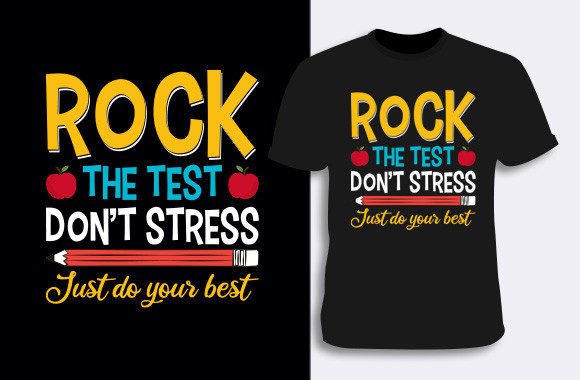
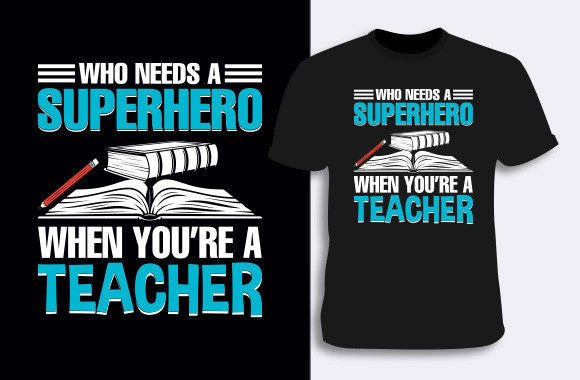
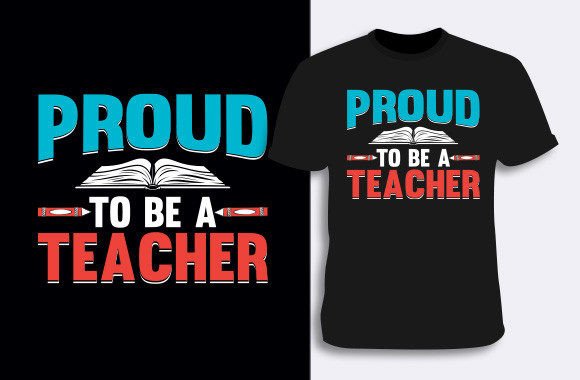
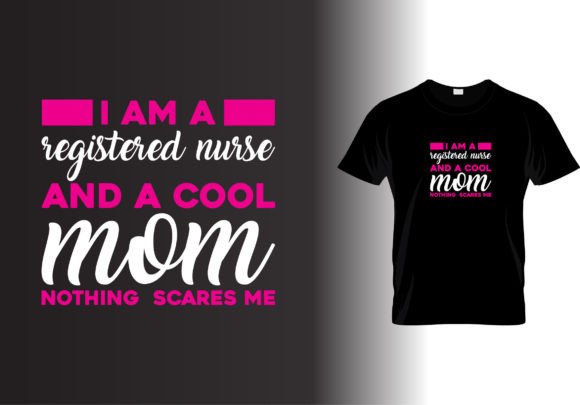
The visual mood of this design leans heavily into warmth and recognition. In the world of custom apparel, especially within the handmade product sector, emotional resonance drives sales. This design taps into that instantly. It feels like a staple piece rather than a trend. For a small shop product, this means longevity. Customers aren’t just buying a shirt; they are buying a statement of identity. The layout appears balanced, suggesting that when converted to satin stitch or fill stitch, the weight of the thread will be distributed evenly, preventing any awkward pulling or distortion on the final garment.
Real-World Application: From Screen to Stitch
Let’s talk about where this design actually shines. I envision this embroidery project performing exceptionally well on structured fabrics. When I imagine preparing a custom order for a client, this design fits perfectly on a heavyweight cotton sweatshirt or a durable canvas tote bag. The contrast between the softness of the thread and the texture of the fabric creates a premium feel that elevates a basic item into a boutique-level accessory.
Consider the scenario of a holiday gift. A mother receiving a personalized baby item embroidered with this motif is likely to react with immediate affection. The design works beautifully as baby embroidery on onesies or burp cloths. Because the PNG file is so large (4500×5400), you can crop specific elements if needed, allowing for creative variations without needing to redesign from scratch. This flexibility is a huge plus for digital product sellers who want to offer bundles or variations.
Furthermore, this isn't limited to soft goods. I see strong potential for this as an embroidered patch that could be ironed onto denim jackets or backpacks. The clean lines suggested by the vector formats imply that the edges will hold up well against fraying, provided the correct underlay stitches are used. For commercial embroidery businesses, this means lower rejection rates and higher customer satisfaction.
Where Caution Is Required
No design is perfect for every surface, and being honest about limitations is part of professional advice. While this design has broad appeal, there are specific scenarios where you must exercise caution. If you plan to embroider this on thin, stretchy fabrics like lightweight jersey or silk blends, you need to be very careful with your stabilizer choice. Without proper support, the tension required for the stitch density might cause puckering, ruining the finished product quality.
Additionally, avoid placing this on highly textured fabrics such as heavy bouclé or loose-weave linen unless you are an advanced user. The needle penetration might be inconsistent, leading to skipped stitches or misaligned details. Curved surfaces, like baseball caps or fitted hats, also require precise digitizing adjustments. If the original file does not include pre-programmed curvature corrections, you may need to manually adjust the design in your software to ensure it sits flat on the crown of the hat.
Another critical point is color contrast. Embroidery relies heavily on the visibility of thread against fabric. If you choose dark fabric, ensure your thread colors provide enough contrast. Muted tones that look subtle on a white background might disappear entirely on black. Always test your thread colors on scrap fabric that matches your final material. This step saves time, money, and frustration.
Practical Notes for the Designer
Before you rush to list this as a new item in your craft business, here is a checklist based on my experience:
- Test on Scrap Fabric: Never assume a design will stitch out perfectly. Run a test on the exact type of fabric and stabilizer you plan to use. This helps you gauge the true stitch density and adjust tension if necessary.
- Inspect Small Details: Zoom in on the SVG or EPS file. Are there tiny decorative accents that might get lost in the stitching? If the details are too small, they may clump together. You might need to simplify the design digitally before importing it to your machine.
- Check Licensing: The description mentions using the design for products like sublimation shirts, mugs, and bags. However, always confirm the licensing terms regarding commercial embroidery. Can you sell the finished physical items? Can you sell the digital file itself? Clarity here protects your reputation and legal standing.
- Black and White Mockups: Convert the design to grayscale to check its silhouette. A good embroidery design should read clearly even without color. If the shape becomes muddy or indistinct, the composition may need adjustment.
- Stabilizer Selection: Match your stabilizer to the fabric weight. A cut-away stabilizer is generally safer for permanent garments like sweatshirt embroidery, while tear-away might suffice for temporary items like kitchen towels.
Final Verdict
The "Mother s T Shirt Design" offers a solid foundation for a variety of personalized gifts and custom apparel projects. Its availability in multiple formats makes it a versatile addition to any digital embroidery file library. For small business owners and creative entrepreneurs, it provides the kind of reliable, emotionally resonant content that performs well in both online listings and craft fair booths.
However, success depends on execution. The difference between a mediocre result and a professional one lies in the preparation: testing, stabilizing, and choosing the right threads. By treating this design with the respect it deserves during the production phase, you can create a handmade product that customers will cherish. It is a smart buy for those looking to expand their catalog with timeless, high-demand themes, provided you follow standard industry best practices for quality control.