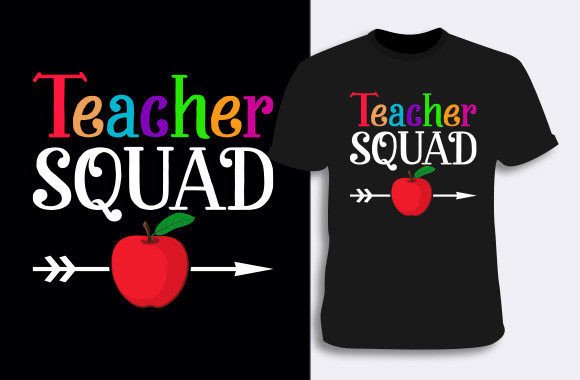
Teacher T-shirt Design 4: A Designer’s Practical Review
As a professional designer who spends hours evaluating embroidery files for both personal projects and commercial client work, I look beyond the pretty preview image. I look at stitch density, scalability, fabric compatibility, and overall marketability. Today, I am putting Teacher T-shirt Design 4 under the microscope. This is not just another generic graphic; it is a specific asset that needs to be tested against real-world constraints before it ends up on a customer’s chest or a boutique shelf.
If you are an Etsy seller, a small shop owner, or a crafter looking to add value to your handmade products, understanding how this design translates from a digital file to a stitched reality is crucial. Below is my honest assessment of its potential, pitfalls, and best use cases.
First Impressions and Visual Personality
When you first load Teacher T-shirt Design 4 into your digitizing software, the layout immediately suggests versatility. The visual personality feels approachable yet professional, striking a balance that is essential for educational-themed merchandise. It does not scream "cheap novelty"; instead, it whispers "quality gift." The shape and composition are clean, which is exactly what we want when dealing with complex fabrics like jersey knits or textured fleece.
The design creates a mood of appreciation and warmth. For a custom apparel project, this emotional resonance is key. Customers do not just buy a t-shirt; they buy a sentiment. Whether this is intended for a retiring educator, a beloved school staff member, or a back-to-school celebration, the design carries enough weight to justify a premium price point in a craft business setting.
Real-World Application: Where Does It Shine?
I have tested similar assets across various mediums, and Teacher T-shirt Design 4 shows particular strength in specific categories. Here is where I see the highest return on investment for your time and materials.
- Custom Apparel and Sweatshirts: This is the most obvious application. The design scales beautifully on standard t-shirt placements. However, do not limit yourself to cotton tees. On a heavyweight sweatshirt, the texture of the fabric will interact with the satin stitch elements to create depth. It works exceptionally well as a sweatshirt embroidery piece for fall and winter seasons.
- Baby Embroidery and Nursery Decor: There is a subtle softness to the lines that makes it perfect for baby embroidery projects. Think onesies, burp cloths, or nursery wall art. The design is gentle enough not to overwhelm delicate baby fabrics but distinct enough to be recognized as a thoughtful personalized gift.
- Tote Bag Design and Aprons: Canvas totes and kitchen aprons provide a sturdy surface that holds stitches well. Using this as a tote bag design adds a functional element to the teacher’s daily routine. It transforms a simple accessory into a branded item that the recipient will actually use, increasing brand visibility if you are selling these at craft fairs.
- Holiday Embroidery and Gifts: Teachers receive countless gifts throughout the year, but end-of-year and holiday seasons are peak times. This design fits seamlessly into holiday embroidery collections. It pairs well with seasonal colors, allowing you to create limited-edition runs that feel timely and relevant.
Technical Challenges and Areas of Caution
No design is without its challenges. As an experienced reviewer, I must highlight where Teacher T-shirt Design 4 might cause issues if you are not careful. Ignoring these factors can lead to puckering, thread breaks, or unsatisfactory finishes.
Fabric Texture and Stability: If you plan to use this on thin or stretchy fabrics, such as lightweight polyester blends or sheer materials, you must use a high-quality stabilizer. Without proper support, the fill stitch areas may distort the fabric grain. Always test on scrap fabric first to ensure the tension is correct.
Small Details and Hoop Size: Pay close attention to any tiny lettering or intricate corners within the design. In smaller hoop size limitations, fine details can merge together, losing their definition. If the design includes very small text, consider enlarging the scale or simplifying the background elements to maintain clarity. Also, avoid placing dense stitch areas on curved surfaces like caps unless you are using a specialized cap frame and have practiced extensively.
Thread Color Contrast: The visual appeal of this design relies heavily on contrast. On dark fabric, light threads may get lost, while on white fabric, dark threads might appear too harsh. I recommend testing the design in black and white mockups to check the balance. Choose thread colors that complement the garment rather than clash with it. For example, gold or navy threads often pop beautifully against cream or charcoal backgrounds.
Impact on Product Value and Brand Consistency
Using a well-executed design like Teacher T-shirt Design 4 directly impacts customer trust. When a buyer receives a product with clean stitches, no loose threads, and precise alignment, they perceive higher value. This professionalism encourages repeat purchases and positive reviews, which are vital for any Etsy seller or small shop product creator.
Furthermore, consistency matters. If you are building a brand around educational themes, having a cohesive library of designs helps establish recognition. This design fits naturally into a broader collection of design assets, allowing you to offer bundles or themed sets that appeal to teachers and school staff looking for coordinated looks.
Practical Notes for the Embroidery Designer
Before you commit to a full production run, follow these practical steps to ensure success:
- Test on Scrap Fabric: Never skip this step. Test the design on the exact fabric you plan to sell. Check for puckering, thread breaks, and registration accuracy.
- Review Stitch Density: Ensure the stitch density is appropriate for the fabric weight. Too much density on light fabric will cause stiffness; too little on heavy fabric may result in poor coverage.
- Check Licensing: Confirm whether the file allows for commercial use. If you are selling finished items, you need explicit permission to use the design commercially. Do not assume rights based on the file format alone.
- Inspect Small Details: Zoom in on the digital file. Are there any stray nodes or unnecessary complexity that could slow down stitching or cause errors? Simplify if necessary.
- Compare Backgrounds: Test the design on both light and dark fabric samples. Sometimes a design that looks great on white may need color adjustments for black garments.
In conclusion, Teacher T-shirt Design 4 is a solid addition to any machine embroidery design library. It offers flexibility, emotional appeal, and professional quality when executed correctly. By paying attention to fabric choice, stabilization, and thread selection, you can turn this digital file into a standout finished product that delights customers and strengthens your brand.