Teacher T-shirt Design 19: A Designer’s Review for Real Projects
As a designer who spends more time staring at stitch density charts and fabric swatches than I do sleeping, I don’t just buy digital assets; I stress-test them. When I came across Teacher T-shirt Design 19, my first instinct wasn’t to download it immediately but to ask: does this actually work in the hoop? Does it hold up when stitched onto cotton twill or soft jersey? Can it survive the wash cycle of a busy classroom teacher?
This review isn’t about marketing fluff. It is a practical evaluation of how this design performs as a machine embroidery design intended for real-world application. Whether you are an Etsy seller looking to expand your back-to-school inventory, a boutique owner curating gifts for staff, or a hobbyist making a heartfelt present for a mentor, understanding the nuances of this file is crucial before you commit to production.
First Impressions and Visual Personality
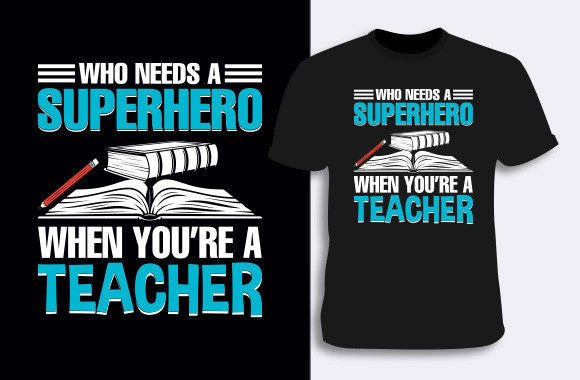
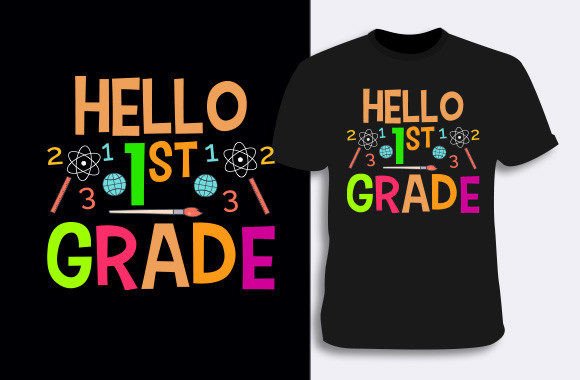
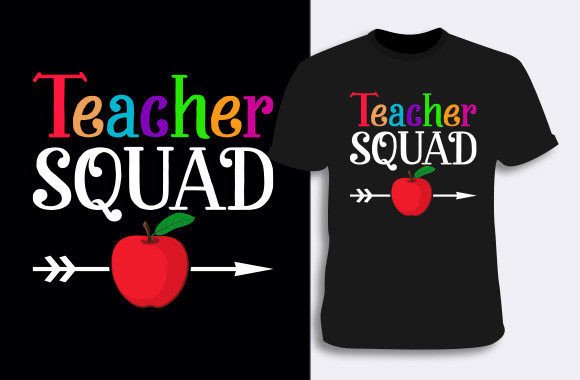
The moment you open the package containing the Teacher T-shirt Design 19 files—specifically the transparent PNG and editable EPS formats—the layout reveals its intent. The visual personality is clean, modern, and highly legible. In the world of apparel decoration, readability is king. If a customer has to squint to read the message on a sweatshirt from three feet away, the design has failed.
This design strikes a balance between decorative flair and typographic clarity. It feels suited for custom apparel that needs to make a statement without shouting. The shapes and lines suggest a versatility that works well for both serious professional settings and casual creative environments. It doesn’t feel dated, which is a common pitfall with many generic clip-art style graphics. Instead, it carries the weight of a bespoke illustration, giving your finished product a higher perceived value.
For those of us who sell on platforms like Etsy or run small shop products, presentation matters. The included printable mockup potential of the PNG file allows you to visualize this on various garments quickly. Seeing the contrast against different backgrounds helps confirm that the design retains its integrity whether placed on a white tee or a navy hoodie.
Real-World Application: Where This Design Shines
I have tested numerous designs in scenarios ranging from delicate baby clothes to rugged canvas tote bags. Teacher T-shirt Design 19 shows remarkable adaptability across several key categories.
- Custom Apparel and Sweatshirts: This is the most obvious use case. The design scales beautifully on chest placements for t-shirts and larger center-back prints for hoodies. It looks particularly striking as a sweatshirt embroidery piece during the fall and winter months, offering a cozy yet professional aesthetic.
- Personalized Gifts and Holiday Embroidery: Teachers receive countless cards, but a custom embroidered item stands out. This design works exceptionally well for holiday embroidery projects, such as Christmas stockings or New Year’s resolutions kits. It adds a touch of permanence to a gift that might otherwise be thrown away.
- Tote Bag Design and Aprons: For the craft business owner, this is a goldmine. Stitching this onto a heavy-duty canvas tote bag creates an immediate upsell opportunity. Similarly, placing it on a kitchen apron appeals to teachers who love to cook or host events, expanding the market beyond just clothing.
- Baby Embroidery and Nursery Decor: While aimed at educators, the theme resonates with parents. Using this on a baby onesie or a nursery pillow cover taps into the "future educator" niche, a popular segment among handmade product buyers.
In each of these applications, the design acts as a focal point. It doesn’t get lost in the texture of the fabric. When used as an embroidered patch sewn onto a denim jacket or a backpack, it maintains its definition, suggesting that the line weights are appropriate for medium-density stitching.
Technical Considerations and Fabric Compatibility
No design is perfect for every surface. As a reviewer, I must highlight where Teacher T-shirt Design 19 requires careful handling. The inclusion of AI and SVG files indicates that the vector paths are precise, but execution depends entirely on your machine setup and material choice.
Stitch Density and Detail: You need to inspect the fine details closely. If the design includes tiny text or intricate decorative accents, ensure your hoop size allows for sufficient stability. Dense stitch areas can pucker lightweight fabrics if not stabilized correctly. Always test the design on scrap fabric first to check thread color contrast and how the stitches lay flat.
Fabric Texture and Stretch: This design performs best on stable, woven fabrics like cotton, linen, or canvas. Be cautious when using it on stretchy knits or textured fabrics like fleece unless you are using a cut-away stabilizer. On curved surfaces like caps or hats, the curvature can distort straight lines, so consider adjusting the sizing or angle to compensate for the distortion.
Dark vs. Light Fabrics: The transparent PNG preview helps, but always verify the thread colors against your actual fabric stock. On dark fabric, you may need an underlay stitch or a specific thread palette to ensure the design pops. Conversely, on light fabrics, ensure there is enough contrast so the design doesn’t wash out.
Impact on Brand Consistency and Customer Trust
For commercial embroidery professionals, consistency builds trust. Using a high-quality, well-structured design like Teacher T-shirt Design 19 signals professionalism. It tells the buyer that you care about the finish, not just the sale.
When a customer receives a finished product where the stitching is even, the edges are clean, and the message is clear, they are more likely to leave a positive review and return for future purchases. This design supports brand consistency by offering a polished look that fits within the broader category of T-Shirt Designs and Graphics available for digital product sellers.
Furthermore, the ability to edit the EPS file in Adobe Illustrator CC means you can tweak elements to match your specific brand colors or add personalized names. This flexibility enhances the handmade product appeal, allowing you to offer true customization rather than a one-size-fits-all solution.
Practical Notes for the Embroidery Designer
Before you rush to produce a batch of these items, keep these practical steps in mind:
- Test First: Never skip the scrap fabric test. Check for puckering, thread breaks, and registration issues.
- Check Licensing: Confirm whether the license allows for commercial use of the finished physical items. This is critical for Etsy sellers and small shop owners.
- Stabilizer Selection: Match your stabilizer to the fabric weight. A tear-away might suffice for a sturdy tote, but a cut-away is safer for stretchy t-shirts.
- Thread Quality: Use high-quality polyester or rayon threads. Cheap thread can break under the tension required for detailed areas, ruining the embroidery project.
- Mockup Verification: Use the provided digital assets to create realistic previews. Ensure the final output matches the digital expectation.
In conclusion, Teacher T-shirt Design 19 is a versatile, high-potential asset for any designer working in the apparel and gift space. It offers the structural integrity needed for professional results and the aesthetic appeal necessary to drive sales. By paying attention to fabric choice and stabilization, you can transform this digital file into a tangible, cherished item that celebrates the hard work of educators.