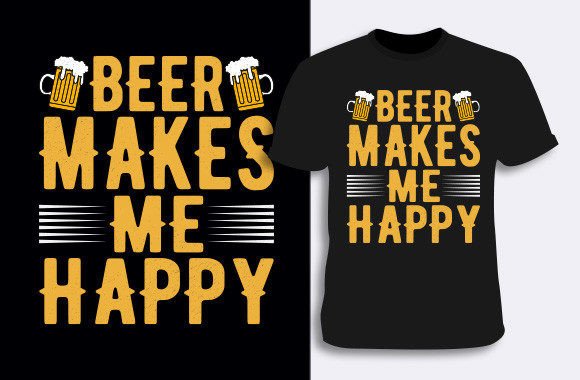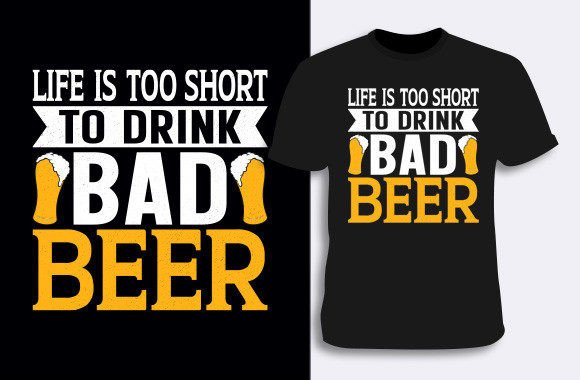
Beer T-shirt Design 1: A Designer’s Review
When I sit down to evaluate a new digital asset for my embroidery studio, I am rarely looking at just a pretty picture. I am looking at a blueprint for a physical product that needs to survive the hoop, the needle, and ultimately, the washing machine. As an experienced designer who frequently tests graphics before committing them to fabric, I approach Beer T-shirt Design 1 with a critical eye. This is not merely a graphic file; it is a potential centerpiece for custom apparel, craft business inventory, or a heartfelt personalized gift. Below is my practical assessment of how this design translates from screen to stitch.
First Impressions and Visual Personality
The moment you open the files associated with Beer T-shirt Design 1, the mood is immediately clear. It carries a casual, celebratory energy that fits perfectly within the realm of relaxed lifestyle apparel. The visual personality suggests fun, social gatherings, and comfort. For an embroidery project, this translates to a design that feels approachable rather than formal. It does not scream luxury; instead, it whispers "fun night out" or "weekend chill."
From a layout perspective, the composition appears balanced enough to work as a standard chest placement on a t-shirt or a central focal point on a tote bag. However, the true test of any machine embroidery design is its scalability and detail retention. Does the theme hold up when reduced? Does it look cluttered when expanded? In this case, the core elements seem distinct, which is a positive sign for maintaining clarity during the digitizing process. It feels like a solid foundation for a handmade product that aims to bring a smile to the wearer without overwhelming the garment itself.
Real-World Application: Where Does It Fit?
I often imagine specific scenarios when reviewing these assets. For Beer T-shirt Design 1, my mind goes straight to two distinct categories: the craft fair staple and the boutique gift item.
Imagine you are prepping for a local summer market. You have a stack of unisex cotton t-shirts ready to go. Placing this design in the center of the chest offers immediate appeal to customers looking for something lighthearted. Alternatively, consider a tote bag design. A canvas tote embroidered with this graphic becomes a functional piece of marketing for a small shop or a trendy accessory for an Etsy seller. The versatility here is high because the theme is universal.
It also performs well in the realm of personalized gifts. Think about holiday embroidery projects where friends exchange humorous or thematic items. A sweatshirt featuring this design could be a perfect stocking stuffer or a main gift for someone who appreciates good humor and cold drinks. It works equally well for baby embroidery if the color palette allows, perhaps appearing on a bib or a soft blanket for a gender-neutral nursery decor option.
Technical Performance and Stitch Considerations
As a reviewer, I must address the technical side. Even the best-looking graphic can fail if the underlying structure is flawed. When evaluating Beer T-shirt Design 1, we must consider how it handles different stitch types. If the design relies heavily on dense fill stitches, it may become stiff and uncomfortable on delicate fabrics. Conversely, if it uses too much running stitch without adequate backing, it might pucker.
The success of this embroidery file will largely depend on the thread colors chosen by the operator. High contrast is key. If the background fabric is dark, the thread colors need to pop. If the fabric is light, the design should not get lost in the weave. I recommend testing the design in black and white mockups first to ensure the shapes remain distinguishable regardless of color.
Furthermore, check the stitch density carefully. Areas that are too dense can cause needle breakage or thread jams, especially on faster machines. If the design includes intricate details, such as tiny text or fine lines, inspect those corners closely. Tiny lettering often loses definition in embroidery unless the hoop size is large enough to allow for precise needle movement. If the design includes a satin stitch border, ensure the spacing is consistent to prevent the edge from looking jagged.
Where to Be Cautious
While this design has strong potential, there are environments where it requires careful handling:
- Small Hoop Sizes: If you are working with limited space, such as on a cap brim or a small patch, ensure the entire graphic fits comfortably. Crowding a design leads to a messy finish.
- Textured Fabrics: Avoid using this on highly textured materials like heavy tweeds or loose-weave burlap unless you are confident in your stabilizer choice. The texture can interfere with the needle penetration and create uneven stitches.
- Stretchy Fabrics: Knits and jersey materials require extra care. Without proper tear-away or cut-away stabilizer, the design may distort over time, especially after washing.
- Dense Stitch Areas: If the design has large blocks of fill stitch, be mindful of the bulk it creates. On thin fabrics, this can lead to visible puckering on the reverse side.
Impact on Product Value and Brand Consistency
For the Etsy seller or small business owner, the quality of the final product directly impacts customer trust. A well-executed embroidery project signals professionalism. When a buyer receives a shirt or apron with clean edges, consistent tension, and no loose threads, they are more likely to leave a positive review and return for future purchases.
Beer T-shirt Design 1 contributes to brand consistency by offering a recognizable theme. If your shop specializes in fun, casual wear, this design aligns with that identity. It enhances the perceived value of the item because embroidery adds a tactile dimension that print-on-demand cannot match. Customers appreciate the durability and artisanal feel of a custom apparel item that has been stitched by hand (or machine) with care.
Practical Designer Notes for Success
Before you commit to a full production run or sell your first batch, follow these essential steps:
- Test on Scrap Fabric: Always run a test stitch on a piece of the same fabric you plan to use. This reveals issues with tension, color contrast, and stability before you ruin a finished product.
- Check Stabilizer Choice: Use the correct stabilizer for your fabric weight. Heavy fabrics need strong support, while light fabrics need minimal backing to avoid stiffness.
- Review Licensing: Confirm whether you have the right to sell finished items made from this digital embroidery file. Commercial licensing varies, and understanding these terms protects your business.
- Inspect Small Details: Zoom in on the AI and EPS files to check for any stray nodes or unclear paths that might translate poorly into stitches.
- Compare Backgrounds: Test the design on both light and dark fabrics to ensure it looks good in all variations.
Final Verdict
Beer T-shirt Design 1 is a versatile and engaging asset for anyone in the craft business or apparel decorating industry. It offers a balance of visual appeal and practical usability that makes it suitable for a wide range of projects, from sweatshirt embroidery to kitchen towels. By paying attention to stitch density, fabric choice, and proper stabilization, you can transform this graphic into a high-quality finished product that customers will love. It is a smart addition to your library of design assets, ready to help you create memorable, wearable art.