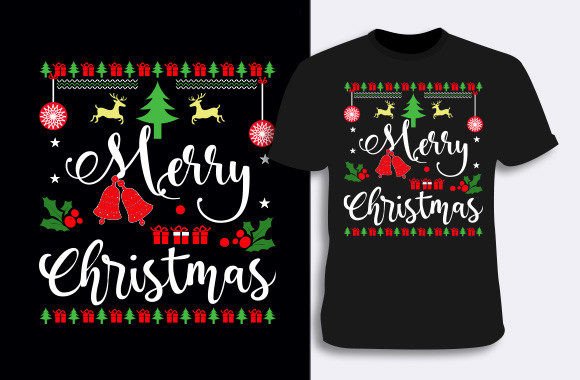
Review: Christmas T-shirt Design 14 for Real Embroidery Projects
As a designer who spends more time looking at stitch lines than social media feeds, I approach every new digital asset with a healthy dose of skepticism. The market is flooded with "holiday designs" that look charming on screen but turn into tangled messes once they hit the hoop. That is why I take the time to evaluate files like Christmas T-shirt Design 14 before integrating them into my workflow or recommending them to fellow crafters and small business owners.
This review isn't just about aesthetics; it is about practical application. We are looking at how this design performs as a machine embroidery design, how it translates from a digital graphic to a tangible handmade product, and whether it holds up under the scrutiny of customers buying custom apparel or personalized gifts.
First Impressions and Visual Personality
When you first load the files associated with Christmas T-shirt Design 14, the immediate takeaway is its versatility. The package includes a PNG file that is print-ready with a transparent background, an editable AI file (Adobe Illustrator CS6 version), an EPS file, and an SVG file. This variety suggests the creator understands that modern creators need flexibility across different platforms, whether you are working in dedicated embroidery software or vector-based design tools.
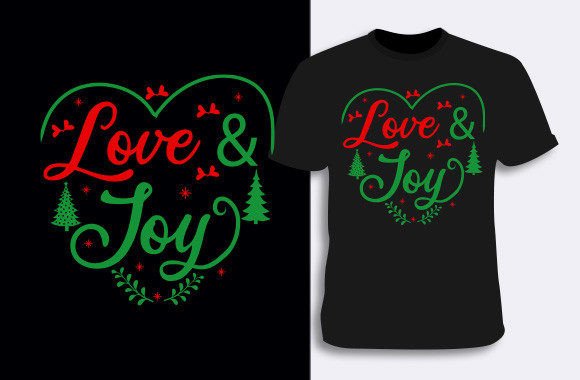
The visual mood of the design feels classic rather than trendy. In the world of holiday decor and apparel, trends fade quickly, but traditional themes endure. The layout appears balanced, avoiding the cluttered look that often plagues budget-friendly graphics. For an Etsy seller or someone running a craft business, this balance is crucial. It allows the design to stand out without overwhelming the garment or accessory it is placed upon. The character of the design suggests it belongs comfortably in the realm of holiday embroidery, suitable for creating warm, nostalgic feelings in the end user.
Real-World Application: From Screen to Stitch
Let’s talk about where this design actually shines. I have been testing various concepts for upcoming seasonal collections, and Christmas T-shirt Design 14 has potential in several specific categories.
- Custom Apparel and Sweatshirts: As the title implies, this is a strong candidate for t-shirts and sweatshirts. However, do not limit yourself there. The graphic scale works well on heavyweight cotton tees, providing a sturdy canvas that supports the stitch density required for lasting durability.
- Baby Embroidery and Nursery Decor: One of my favorite uses for clean, non-overly-complex designs is baby items. This design could be stitched onto a onesie, a burp cloth, or even a soft blanket. The embroidery project becomes a sentimental keepsake. When designing for babies, clarity is key, and this design seems to prioritize legible shapes over excessive detail.
- Tote Bag Design and Aprons: Canvas tote bags and kitchen aprons are staples for small shop products. A tote bag design needs to be bold enough to be seen from a distance. If Christmas T-shirt Design 14 features solid blocks of color or clear outlines, it will translate beautifully onto fabric, creating a professional-looking finished product.
- Embroidered Patches: With the inclusion of vector files like AI and SVG, you can easily resize and prepare this design as an embroidered patch. Patches are huge right now for personalizing denim jackets and backpacks. The ability to edit the file ensures you can adjust the border or size to fit standard patch sizes perfectly.
For the commercial embroidery professional, the availability of editable files is a significant advantage. You aren't locked into a rigid raster image. You can tweak colors to match your client's brand palette or adjust elements to better suit a specific fabric texture.
Where Caution Is Required
No design is perfect for every situation. Even a strong contender like Christmas T-shirt Design 14 requires strategic placement and preparation. Here are the scenarios where you should exercise care.
Small Hoop Sizes: If you are attempting to stitch this on a very small area, such as the cuff of a sock or a tiny section of a hat brim, you must check the dimensions. If the design contains intricate details that rely on fine satin stitch work, shrinking it down too far may cause those details to blur together during stitching. Always preview the design at actual size within your machine's hoop constraints.
Textured and Stretchy Fabrics: While this design might look crisp on a flat digital mockup, real-world fabrics behave differently. Knit fabrics stretch, and textured weaves can hide subtle shading. If you are applying this to a stretchy jersey material, ensure you use the proper stabilizer to prevent distortion. On highly textured fabrics, like chunky knits or corduroy, fine details might get lost. In these cases, simplifying the design or increasing the contrast between thread colors becomes essential.
Dense Stitch Areas: If the design relies heavily on fill stitches, be mindful of fabric weight. Heavy embroidery on light fabric can cause puckering. Conversely, if you are using a dense applique design technique, make sure your backing stabilizer is robust enough to hold the tension.
Curved Surfaces: Applying this to caps or curved pillow covers requires careful digitizing adjustments. What looks straight on a computer screen may curve awkwardly on a rounded surface. Test these applications thoroughly before mass-producing personalized gifts.
Technical Notes for the Discerning Designer
Before you rush to download and start stitching, there are practical steps every serious maker should take. The fact that the package includes Adobe Illustrator CS6 versions is helpful, but compatibility varies. Ensure your software can open these formats without conversion errors.
I strongly advise testing the design on scrap fabric first. This is non-negotiable. Use the same thread weights and fabric types you plan to use for the final sale. Check the stitch density visually—does it look too sparse? Too heavy? Also, inspect small details closely. Sometimes, what appears as a distinct shape on screen becomes an indistinguishable blob when stitched in polyester thread.
Another pro tip: view your design in black and white. This helps you assess the value contrast of the design independent of color. If the design loses its impact in grayscale, it may struggle to read clearly in embroidery, regardless of how vibrant the threads are.
Final Verdict on Value and Appeal
Ultimately, the success of any digital embroidery file comes down to whether it helps you create a product that customers love. Christmas T-shirt Design 14 offers a solid foundation for this. Its inclusion of multiple file formats (PNG, AI, EPS, SVG) makes it a versatile asset for design assets libraries. Whether you are a hobbyist making a personalized gift for family or an Etsy seller building a catalog of holiday embroidery items, this design provides the structural integrity needed for professional results.
It fits naturally into the T-Shirt Designs category but extends well beyond, offering value for Graphics users who need scalable vectors for other creative endeavors. By paying attention to fabric choice, stabilization, and pre-production testing, you can leverage this design to create high-quality, trustworthy handmade products. It is a reliable tool in the kit of any creative entrepreneur looking to capitalize on the festive season with style and precision.